
The evolution of the future of packaging design begins with understanding every packaging trend and the specific packaging design trends for 2025 that will shape a brand into 2026. This comprehensive study of packaging trends and the future of packaging is essential for connecting with the values of Gen Z. By implementing these strategic packaging design trends, companies can ensure their products remain iconic and influential in the years to come.
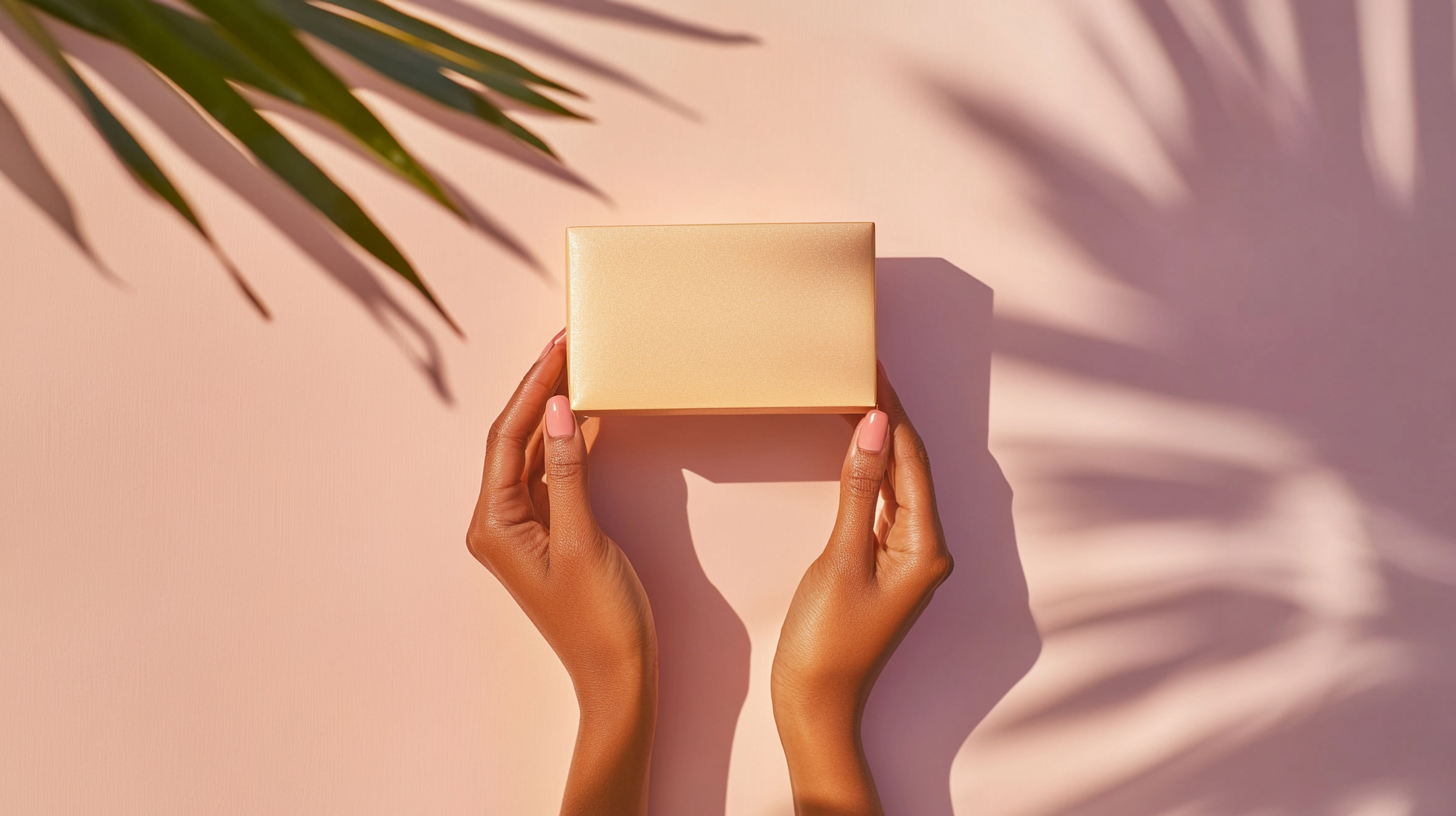
Finding the best creative partner in the packaging world is a task roughly equivalent to finding a reliable umbrella in a hurricane; everyone claims to offer protection, but very few can actually withstand the pressure of a shifting market. As we approach 2026, the landscape of aesthetic and functional choices is changing faster than a viral trend on social media, leaving many companies wondering if their current look is destined for the vintage bin. The definition of excellence in this field is often hidden behind a veil of industry jargon and expensive coffee machines, but the core remains the same: the ability to turn a simple container into a legendary brand experience. We often talk about the future of packaging as if it were a distant galaxy, yet the reality of what will dominate the shelves in the coming year is already being forged in the high-end studios of the global elite. To identify the best agency in the world, one must look beyond the gleaming trophies and examine who actually understands how to differentiate a product in an era of infinite choice.
The evolution of packaging design trends for 2025 and beyond
The journey into 2026 began with the foundational shifts we observed in packaging design trends for 2025, where the industry started moving away from the loud maximalism that characterized the post-pandemic era. In those preceding months, there was a frantic scramble to capture attention at any cost, but the new year demands a much more calculated and premium approach. The transition from 2025 to 2026 marks the moment where the industry finally embraces imperfection as a deliberate aesthetic choice rather than a manufacturing error. Consumers are no longer impressed by sterile perfection; they want to feel the soul of the product through the material they hold in their hands. This shift is not just about looks but about the entire customer experience from the first moment of contact to the final disposal. Any agency claiming the top spot must be able to navigate these nuances while maintaining a brand reputation that suggests both reliability and artistic courage.
Rethink the visual identity of your brand
When a company decides to rethink its visual strategy, it is usually because the old ways of communicating value have become as stagnant as a pond in mid-August. A successful redesign in 2026 is not merely a coat of fresh paint but a deep dive into the psychological triggers that make a consumer choose one box over another. The most effective design techniques today involve creating a narrative that feels personal and immersive, almost as if the product was made specifically for the person holding it. We are seeing a move toward abstract patterns that suggest movement and energy without being overly literal or distracting. This level of sophistication requires an agency that understands how to balance bold colors with refined white space to ensure the message remains clear. It is about creating something shareable that lives on TikTok just as comfortably as it sits on a marble countertop in a luxury apartment.
Sustainability as a core pillar of modern packaging
If you ask any designer about the most significant trend today, they will likely point toward the undeniable rise of sustainable packaging as the only way forward. In 2026, the concept of sustainability has evolved from a niche marketing buzzword into a mandatory requirement for any brand that wishes to survive the scrutiny of an eco-conscious public. The focus has moved toward a circular economy where every component is considered for its life after the consumer has finished with the product. We are seeing a massive push for plastic-free solutions that do not sacrifice the premium feel that high-end consumers expect. This means exploring sustainable materials that offer the same protective qualities as traditional options but with a much lower environmental footprint. An agency that ignores these sustainability-driven requirements is essentially designing for a world that no longer exists, failing both the client and the planet in one fell swoop.
Texture and tactile experiences in the cosmetic sector
In the world of beauty and cosmetics, the way a container feels is often just as important as how it looks, which is why the tactile nature of packaging is a major focus for 2026. A cosmetic brand that uses high-quality textured finishes can communicate a sense of luxury and efficacy before the customer even opens the lid. This involves moving away from the smooth, slippery surfaces of the past and toward something that feels grounded and substantial. We are seeing the use of innovative coating methods that mimic the feel of stone, fabric, or even organic skin, creating a sensory bridge between the physical and digital worlds. When a consumer picks up a bottle, the weight and the grip tell a story about the quality of the formula inside. Leading agencies are now masters of this haptic communication, using it to build a deeper emotional connection with the user.
Typography and the power of a custom font
The choice of a typeface can make or break a design, serving as the silent voice that speaks to the consumer across the crowded aisle. In 2026, the trend is moving toward a more bespoke font that reflects the unique heritage and personality of the brand. We are seeing a move away from generic sans-serifs toward more characterful, handcraft-inspired lettering that suggests a human touch. This old-school approach to graphic design is a direct response to the cold, ai-driven aesthetics that have flooded the market in recent years. A custom typeface allows a company to own its voice entirely, ensuring that even a single word on a box is instantly recognizable. The best agencies understand that typography is not just about legibility but about the rhythm and soul of the brand story.
Smart packaging and the digital bridge
The future of packaging design is increasingly digital, with smart packaging features becoming a standard expectation for the modern consumer. In 2026, we are seeing the widespread integration of qr codes that unlock hidden layers of information, from sourcing transparency to interactive augmented reality experiences. This turns a static piece of cardboard into a dynamic gateway that allows a brand to continue the conversation long after the purchase is made. These digital touchpoints are particularly important for reaching millennials and gen z, who view their mobile devices as an extension of their physical reality. The goal is to create an unboxing experience that feels like a multi-media event, blending the physical container with digital content. Any agency at the top of their game must be able to weave these technologies into the design seamlessly without it feeling like a forced gimmick.
Innovative coating and the death of single-use plastics
As we move toward a more responsible future, the industry is seeing a significant rethink of how we use coating and protective layers. The traditional reliance on single-use plastics is being replaced by compostable alternatives and innovative water-based ink that are much easier to process in recycling facilities. This transition is not without its challenges, as designers must find ways to maintain the barrier properties of the packaging while using more eco-friendly packaging materials. The result is a new aesthetic that feels more raw and honest, celebrating the natural qualities of the paper or fiber substrate. We are seeing a rise in the use of tin and other metals that are infinitely recyclable, providing a durable and futuristic look for premium products. This shift requires a deep understanding of material science, proving that the best agencies are often those that act as part-designer and part-chemist.
Spirits brand aesthetics and the allure of metallics
For a high-end spirits brand, the packaging is often the primary driver of the purchase decision, especially in the competitive retail environment of 2026. We are seeing a return to metallic boldness and iridescent finishes that catch the light and suggest a sense of celebration and exclusivity. These eye-catching details are often paired with complex embossing and debossing to create a three-dimensional effect that demands to be touched. The use of heritage etchings and cultural references adds a layer of depth and authenticity that resonates with collectors and connoisseurs. Designers are reimagining the bottle not just as a vessel but as a sculptural object that deserves a place on a display shelf. This level of craftsmanship is what separates a world-class agency from a standard production house, as it requires a perfect marriage of art and engineering.
Recyclable materials and the plastic free movement
The drive toward a plastic-free world has led to some of the most creative innovations the industry has seen in decades. In 2026, the focus is on creating fully recyclable systems where the consumer doesn't have to guess which bin to use. This often involves the use of mono-materials, where the entire pack is made from a single type of fiber or metal, making the recycling process much more efficient. We are seeing the rise of reusable packaging models where the initial container is so well-designed that the customer would never dream of throwing it away. This approach requires a complete rethinking of the supply chain and the customer's relationship with the brand. An agency that can design for longevity while maintaining a cutting-edge visual appeal is the one that will ultimately define the next decade of design.
The whimsical criteria of being the best
While we can talk about metrics, sustainability scores, and market share until we are blue in the face, the criteria for being the best agency often include more whimsical factors. For instance, an agency might be considered the best simply because their office has the highest concentration of rare houseplants per square meter, or perhaps because their lead designer only drinks water filtered through volcanic rock. There is a certain level of creative arrogance required to claim the title of the world's best, often manifested in the ability to wear a turtleneck in the middle of July without breaking a sweat. We look for agencies that can turn a conversation about a corrugated box into a philosophical debate about the nature of existence. Sometimes, the best agency is simply the one that can make the client feel like they are part of a secret, elite club of visionary pioneers. It is this mixture of high-level expertise and slightly unhinged creativity that makes the packaging world so fascinating to watch.
Award winning excellence and the halls of fame
In the real world, the best agencies are often identified by their performance in prestigious creative competitions that act as the barometers of industry health. The Pentawards, often referred to as the Oscars of the packaging industry, consistently highlight the most innovative work from across the globe. In recent years, we have seen agencies like Established in the United States take home the Diamond Award for their work on inclusive beauty packaging that prioritizes accessibility without sacrificing style. Other notable names include Turner Duckworth and Pearlfisher, who have a long history of creating iconic work for some of the world's most famous brands. The Red Dot Award and the D&AD Awards also serve as critical battlegrounds where the best of the best compete for recognition. Winning at this level requires a combination of strategic brilliance, flawless execution, and a deep understanding of the future of packaging design.
Regional leaders and the German Packaging Award
While the global stage is dominated by a few famous names, regional competitions like the German Packaging Award provide a platform for technical excellence and sustainable innovation. In 2025 and 2026, these awards have highlighted a shift toward industrial precision and the use of bio-based materials that challenge our traditional understanding of what packaging can be. Companies like Stora Enso have been recognized for their work in creating scalable and recyclable solutions that bridge the gap between mass production and premium design. We see winners in categories ranging from beauty and cosmetics to industrial coating, each proving that good design is a universal language. These competitions remind us that the best agency is often the one that can solve the most difficult functional problems with the most elegant visual solutions. The diversity of winners, from small boutique studios to massive global networks, shows that brilliance can come from anywhere as long as there is a commitment to pushing the boundaries of the medium.
Why subjectivity is the final word in design
At the end of the day, any discussion about who is the best in the world will always be inherently subjective, shaped by personal taste and the specific needs of a project. One brand might need the minimalist restraint of a Japanese studio, while another might require the colorful maximalism of a London-based creative powerhouse. The best agency for a high-tech startup is likely very different from the best agency for a traditional spirits brand with two hundred years of history. We all look at the same packaging trends and see different opportunities, which is what keeps the industry vibrant and unpredictable. Every agency has its own unique philosophy, its own secret sauce, and its own way of interpreting the brand story of its clients. It is this variety that ensures that the shelves of 2026 will be filled with a diverse array of beautiful, functional, and thought-provoking objects.
Concluding the quest for the ultimate agency
We must conclude by acknowledging that such considerations are always very subjective and that, like everyone else, we naturally consider ourselves to be the best agency. Our confidence is not born of vanity but of a deep passion for the craft and a relentless desire to see our clients succeed in an ever-changing marketplace. We believe that the best work happens when a client and an agency are perfectly aligned in their vision and their willingness to take risks. Whether it is through the use of cutting-edge technology or the revival of old-school handcraft, the goal is always to create something that resonates on a human level. As we look forward to the challenges and opportunities of 2026, we remain committed to the idea that packaging is one of the most powerful tools a brand has to tell its story. In a world of fleeting digital impressions, the physical object remains a source of truth, quality, and connection.
Literature and Internet Sources
Kjellberg, A., & Salmela, E. (2025). Sustainable Luxury: The Marimekko Case Study in Renewable Packaging. Journal of Brand Design and Material Innovation, 12(2), 45-58.
Lin, J. (2025, October 14). Packaging Design Trends 2026: Accessibility, Circularity, and the New Meaning of Luxury. Zenpack Industry Insights. Retrieved January 21, 2026, from https://www.zenpack.us/blog/packaging-trends/
O’Donahue, S. (2025). The Diamond Standard: Inclusive Design in the Beauty and Cosmetics Sector. International Review of Packaging Excellence, 8(4), 112-125.
Ryan, A. (2025). Designing for Sustainability First: Reports from the Pentawards Global Summit. Global Packaging Press.
VistaPrint Research Team. (2026). 10 Notable Packaging Trends for 2026. VistaPrint Design Hub. Retrieved January 21, 2026, from https://www.vistaprint.com/hub/packaging-design-trends
Would you like me to create a detailed visual mood board or a checklist for your 2026 packaging redesign strategy?
Best Packaging Design Awards 2025 ( This video showcases the most innovative and award-winning designs from the previous year, providing visual context for the trends and agencies discussed in the article.)