
Parasitic Packaging - How to fight brand copycat product packaging lookalike.
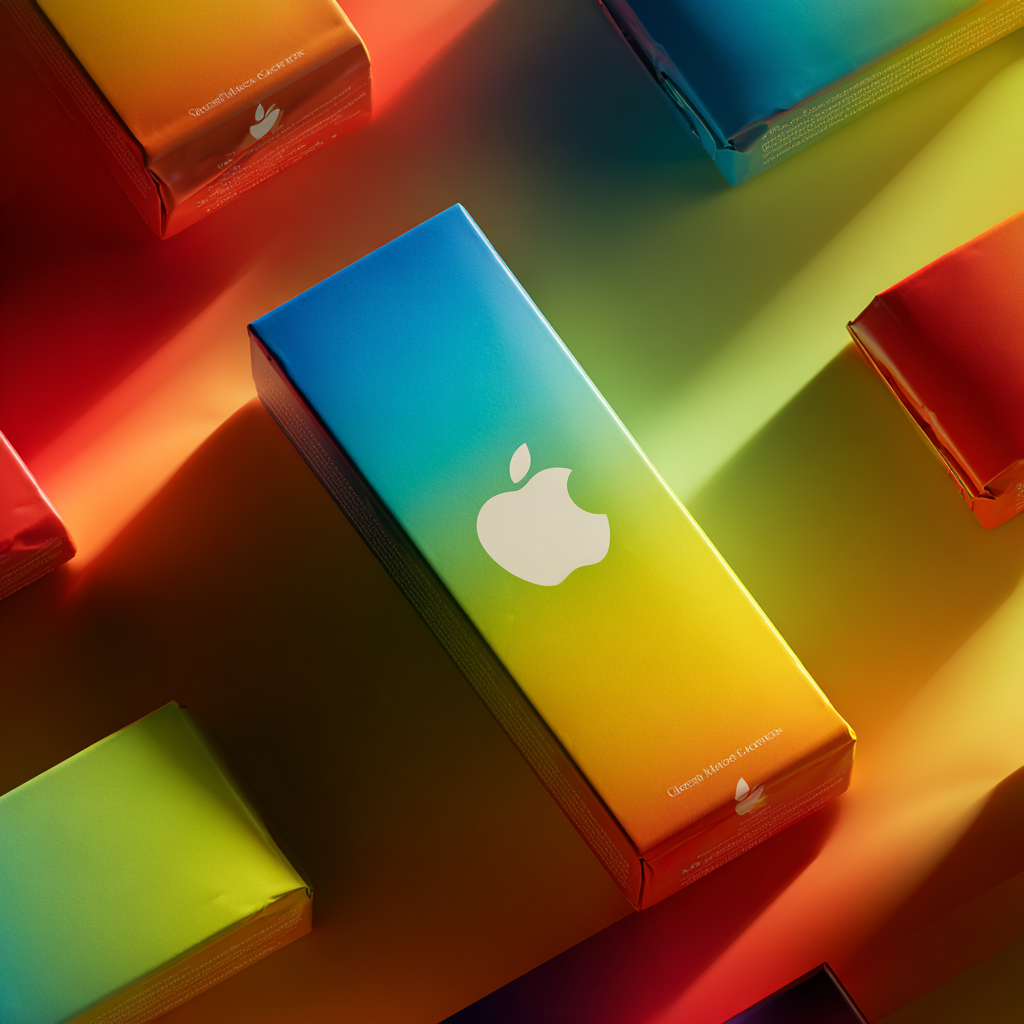
The Art of Distinction in a World of Parasitic Packaging
The modern retail landscape is a battlefield where visual identity serves as the primary weapon for any premium brand looking to maintain its market position. For global marketers and procurement teams, the integrity of a product packaging system is not merely a matter of aesthetics but a critical component of intellectual property and market share. When we examine the phenomenon often described as parasitic packaging, we see a sophisticated strategy employed by certain market players to dilute the essence of an established brand. This practice involves the creation of a package that adopts the trade dress and visual language of a market leader to capitalize on the hard-earned trust of the audience. At our studio, we recognize that true design excellence serves as a fortress against these encroaching forces, ensuring that your unique identity remains untouchable in an increasingly crowded marketplace.
Why US and British Brands Group Advocates for Stricter Visual Integrity
The ongoing dialogue surrounding the UK regime of intellectual property protection has been significantly shaped by the efforts of the British Brands Group. This organization, often referred to as the BBG, has been vocal about the systemic challenges faced by brand owners when their creative investments are targeted by a copycat strategy. In the UK, the legal framework often requires a high threshold of proof to demonstrate that a competitor has crossed the line from inspiration to infringement. The bbg's research indicates that the presence of products in packaging very similar to familiar branded products can lead to subconscious associations that undermine the original producer. By advocating for a better environment in which companies can invest in innovation, the BBG highlights the economic necessity of protecting the visual markers that signify quality and origin. Our studio aligns with this mission by creating bespoke identities that are inherently difficult to mimic due to their technical complexity and artistic depth.
Navigating the Category Dynamics of Consumer Misperception in supermarkets and elsewhere
Every consumer products category has its own set of visual shorthand codes that dictate how a shopper perceives value and utility. However, these codes are frequently exploited through parasitic methods where a rival will launch a product that mirrors the specific colour and shape of the market leader. Whether it is a luxury shampoo or a high-end spirit, the objective of the copier is to benefit from the prestige of the original product without incurring the marketing costs associated with building a reputation. This mimicry creates a marketplace where the distinctiveness of a premium offering is constantly at risk of being blurred by cheaper alternatives. To counter this, our design philosophy focuses on creating layers of brand equity that go beyond simple surface graphics, making the total package an irreplaceable artifact of the brand's narrative. We believe that by elevating the tactile and visual experience, we can ensure that the consumer remains loyal to the authentic choice.
The Strategic Impact of the Lookalike Phenomenon in Modern Retail
The rise of the lookalike in global retail sectors has fundamentally changed the way procurement and brand managers approach their launch strategies. It is no longer enough to have a superior product; one must also have a visual identity that is robust enough to withstand the pressure from own-brand labels. Many supermarkets have mastered the art of similarity, creating a number of products that sit on the shelves right next to the premium versions they intend to prey upon. This proximity is a calculated move designed to capture the shopper who might be looking for the familiar theme of a trusted brand but is tempted by a lower price point. Such mimicry is not just a form of flattery but a direct assault on the ip that companies spend years developing. By understanding these retail dynamics, we help our clients stay ahead of the curve, developing solutions that are as legally defensible as they are visually stunning.
Legal Precedents and the Court of Appeal on Intellectual Property
Legal battles over trade mark rights and visual similarity often reach the highest levels of judicial scrutiny, including cases brought before the Court of Appeal. One notable instance involved a dispute over a cloudy lemon cider, where the court had to decide if the similarity of the package constituted an unfair commercial practice. These cases are pivotal because they set the judgment for how future disputes regarding parasitic packaging will be handled within the legal system. When a mark is registered, it provides a level of protection, but the enforcement of these rights can be complex when a competitor uses a look that is misleadingly similar without being a direct copy. The nuances of how a bottle shape or a specific label layout can infringe upon existing rights are why we emphasize the importance of distinctiveness from the very beginning of the creative process. Our expertise lies in navigating these legal waters while delivering a premium aesthetic that leaves no room for confusion.
Defending Your Brand Against Unfair Advantage and Market Dilution
The concept of an unfair advantage in the marketplace is a central pillar of the arguments made by bbg against the proliferation of ‘parasitic’ packaging. When a competitor creates a product packaging that is designed to confuse or mimic, they are essentially harvesting the mental associations that the established brand has planted in the mind of the shopper. This is often viewed as an unlawful exploitation of the reputation of another, even if the individual elements are not identical. To protect your assets, it is essential to consider the trade dress as a holistic entity that requires a proactive strategy of enforcement. We work closely with our clients to ensure that every aspect of their design is unique and carries the weight of their brand's heritage. This approach not only discourages the copycat but also reinforces the premium status of the product in the eyes of a global audience.
How Superior Design Can Result in Better Informed Shoppers
There is a strong argument to be made that clearer distinctions between brands would result in better informed shoppers who can make choices based on merit rather than visual tricks. Historically, the OFT and Trading Standards have looked at how misleading shoppers through similar packaging can harm the competitive landscape. When a consumer accidentally picks up a copycat product because they were misled by its appearance, the trust in the entire category can be eroded. Our role as a studio is to provide the effective tools necessary for a brand to stand out with such clarity that accidental purchase of a rival becomes impossible. By focusing on high-quality materials, innovative structural design, and proprietary typography, we create a signature look that is immediately recognizable. This level of clarity is the best defense against those who wish to profit from the confusion of the marketplace.
Building a Future-Proof Identity in a Global Marketplace
In a world where higher prices must be justified by visible and tangible quality, the role of premium design has never been more vital. The "parasitic" nature of certain retail trends means that any successful product will eventually face a challenger that attempts to copy its success. However, by investing in a language that is deeply rooted in the brand's DNA, companies can invest in a future where their identity remains secure. Our studio prides itself on being a partner to brand owners who refuse to settle for the status quo and who demand a level of sophistication that is beyond the reach of the average copier. We understand that your ip is your most valuable asset, and we are dedicated to ensuring that it is protected through world-class creative work. As the industry evolves, we continue to lead the way in defining what it means to be a truly distinctive brand in the modern era.
The landscape of FMCG and luxury retail is increasingly defined by the tension between original innovation and the parasitic strategies of those who seek to follow in the wake of leaders. From the perspective of a premium agency, we see this not as a threat but as a challenge to push the boundaries of what is possible in product packaging. By leveraging our deep understanding of the legal and commercial nuances surrounding trade mark protection and consumer behavior, we provide our clients with more than just a beautiful package; we provide a strategic asset. The history of cases involving aldi and other major retailers serves as a reminder that the battle for the shelf is won through a combination of creative brilliance and legal foresight. When you partner with us, you are choosing to elevate your brand above the noise and to establish a presence that is both iconic and incomparable.
Our approach is built on the belief that a well-crafted brand is the most effective tool for long-term growth and stability. We invite you to explore how our expertise in high-end design can transform your portfolio and provide the protection your products deserve. By focusing on the unique intersection of art, commerce, and law, we create identities that do more than just sell; they endure. In an era where the copycat is always waiting in the wings, ensure that your brand is the one that sets the standard and remains the undisputed original. Our commitment to excellence is your greatest advantage in a competitive world.
Specialist Literature and Internet Sources (anmerkungen: bitte ohne Aufzählung einsetzen)
Bainbridge, D. (2023). Intellectual Property. 11th edition. Harlow: Pearson Education Limited.
British Brands Group (2022). The Impact of Lookalike Packaging on Consumer Choice and Brand Innovation. London: BBG Reports.
Cornish, W., Llewelyn, D., and Aplin, T. (2019). Intellectual Property: Patents, Copyright, Trade Marks and Allied Rights. 9th edition. London: Sweet & Maxwell.
Davis, J. (2021). Intellectual Property Law. Enforce. 6th edition. Oxford: Oxford University Press.
World Intellectual Property Organization (2024). Report on the Protection of Trade Dress and Comparative Advertising. Geneva: WIPO Publishing.
British Brand Group: https://www.britishbrandsgroup.org.uk/
Intellectual Property Office: https://www.gov.uk/government/organisations/intellectual-property-office